Pain is both universal and deeply personal. 2 individuals with the very same diagnosis hardly ever describe their discomfort similarly, and they hardly ever need the exact same plan. That is the difficulty and the privilege of discomfort management. A well-built certificate course in pain monitoring offers medical professionals an organized means to establish judgment, not simply remember methods. It mixes pathophysiology with interaction abilities, pharmacology with useful goals, emergency pain management with long-term stewardship. When done right, it raises technique across wards, facilities, and communities.
I have actually taught and upgraded numerous pain management training courses over the previous decade, varying from brief courses hurting management for busy trainees to detailed discomfort management qualification programs for nurses and physio therapists. The most effective programs change how you listen prior to they change exactly how you prescribe. They educate you to determine what issues to the individual, to expect risk, and to interfere early when strategies drift off program. Below is a pragmatic check out what a certificate training course suffering administration must cover and how it can develop patient-centered care.
What "patient-centered" actually implies hurting care
Patient-centered treatment is not a motto. It is a method that begins with a mindful tale, complied with by a common definition of success. Suffering centers, that success might be walking to the mailbox without stopping, sleeping via the evening two times a week, or surviving a job change without advancement discomfort. Discomfort ratings help, yet they are only one lens.
In method, patient-centered pain administration means you consistently inquire about function, rest, mood, fear-avoidance, and social context, after that utilize those answers to establish top priorities. If your strategy requires twice-daily exercises yet the patient functions dual shifts, the strategy will certainly fall short. If neuropathic discomfort takes rest, daytime analgesia alone will disappoint. A certification course ought to educate medical professionals to translate these realities into targeted, practical steps.
Anatomy of a solid pain management course
A significant discomfort monitoring certification training course equilibriums core scientific research with medical craft. At minimum, expect coverage of nociception and neuroplasticity, pharmacology with a focus on threat mitigation, multimodal non-drug therapies, and organized reassessment. Lots of programs likewise consist of committed components for unique populations and intense settings, such as emergency pain administration and perioperative care.
A modular approach works well. For example, a 12 to 16 week certificate program suffering administration could pair weekly two-hour seminars with case conferences and simulation scenarios. Shorter choices, like weekend intensives or four-week sprints, can help focused upskilling, specifically for teams in busy atmospheres. These short courses in pain management are useful for refreshing triage abilities, opioid safety, and interaction techniques, though they can not change the breadth of a complete program.

When reviewing pain monitoring training courses, try to find explicit knowing results mapped to exercise. You intend to see expressions like "carry out a function-oriented pain analysis," "layout a multimodal plan for severe fracture pain," or "screen for abuse and use tapering approaches." Unclear promises of "comprehensive pain administration training" without behavioral results frequently disappoint.
The important foundation: evaluation that guides action
Every pain plan is just as solid as the evaluation. A good program trains you to be methodical without being mechanical. You require to secure the pain tale in time, causes, and cells, after that attach it with biology and behavior.
Start with the basics: area, start, character, radiation, linked signs and symptoms. How does activity transform it, and which particular motions? What time of day is worst? What does the patient do on a flare day? Then add tools that catch effect. The PEG (pain intensity, disturbance with pleasure of life, disturbance with general task) is quick and valuable. On complicated situations, pain drawings, rest diaries, and quick state of mind screens like the PHQ-9 or GAD-7 include perspective.
Mechanisms matter. Nociceptive discomfort acts in different ways from neuropathic discomfort or central sensitization. That distinction affects medicine selections, expectations, and referrals. For instance, burning, electrical pain with allodynia suggests neuropathic chauffeurs and factors towards representatives like gabapentinoids, SNRIs, or topical lidocaine, coupled with desensitization methods in physiotherapy. A certification course must instruct medical professionals to recognize these patterns without overpromising perfect matches.
Risk assessment becomes part of the foundation. Screen for warnings such as cauda equina signs and symptoms, infection danger, or rapidly progressive neurologic deficiencies. For drug risk, devices like the Opioid Risk Device can help, however they never replace scientific judgment. In practice you consider prior overdose, concurrent benzodiazepines, sleep apnea, mental health comorbidities, and social stability. Good training programs make these compromises explicit and rehearsed.
Pharmacology without shortcuts
Many pain management certification programs fail by either oversimplifying pharmacology or sinking learners in minutiae. Clinicians need a functioning pharmacopoeia and a danger map. The curriculum needs to cover:
- Non-opioid anesthetics with real-world constraints. Acetaminophen is secure at correct dosages yet very easy to exceed when clients utilize combination items. NSAIDs lug GI, kidney, and cardiovascular dangers that differ across the course and climb with age and comorbidities. Courses must teach how to pile mechanisms, for example acetaminophen plus a COX-2 selective agent in the lowest reliable dose and fastest period for osteo arthritis flares, while keeping an eye on blood pressure and renal function.
Opioids need sober, functional assistance. They have a duty, particularly in severe injury, postoperative discomfort, cancer cells pain, and select palliative contexts. They likewise carry foreseeable dangers. A solid pain management certification program trains you to set entrance standards, specify departure standards, and connect both clearly. You find out to begin reduced and go slow, prevent long-acting solutions in opioid-naïve people, and paper practical goals. You likewise learn to incorporate naloxone co-prescribing and regular checks of prescription monitoring programs where readily available. None of this is bureaucratic busywork; it protects against harm.
Adjuvants should have equal emphasis. For neuropathic pain, first-line agents typically consist of gabapentin or pregabalin, SNRIs such as duloxetine or venlafaxine, and tricyclics in meticulously picked people. Topicals like lidocaine patches or low-dose capsaicin belong when systemic dangers loom. Muscular tissue depressants can aid short term in severe convulsion however featured sedation and drops risk. A mature course does not require a favored yet discusses just how to pick, dose, and step down.
Real life rarely adheres to cool algorithms. The individual with persistent kidney condition and diabetic person neuropathy will certainly require compromises. The elderly female with osteoarthritis, reflux, and hypertension may tolerate acetaminophen and topical NSAIDs but not much a lot more. A good course teaches you to develop trials of treatment with clear metrics and time-limited checkpoints. If sleep boosts and strolling range increases by 20 percent, proceed. If adverse effects install without practical gain, pivot.
The non-pharmacologic core
Medication rarely addresses complicated discomfort alone. The evidence is toughest for combined methods that incorporate movement, graded direct exposure, emotional skills, and sleep health. Discomfort monitoring training for registered nurses and pain management training courses for physio therapists need to emphasize this mix, given that registered nurses and physios often carry the everyday job of implementation.
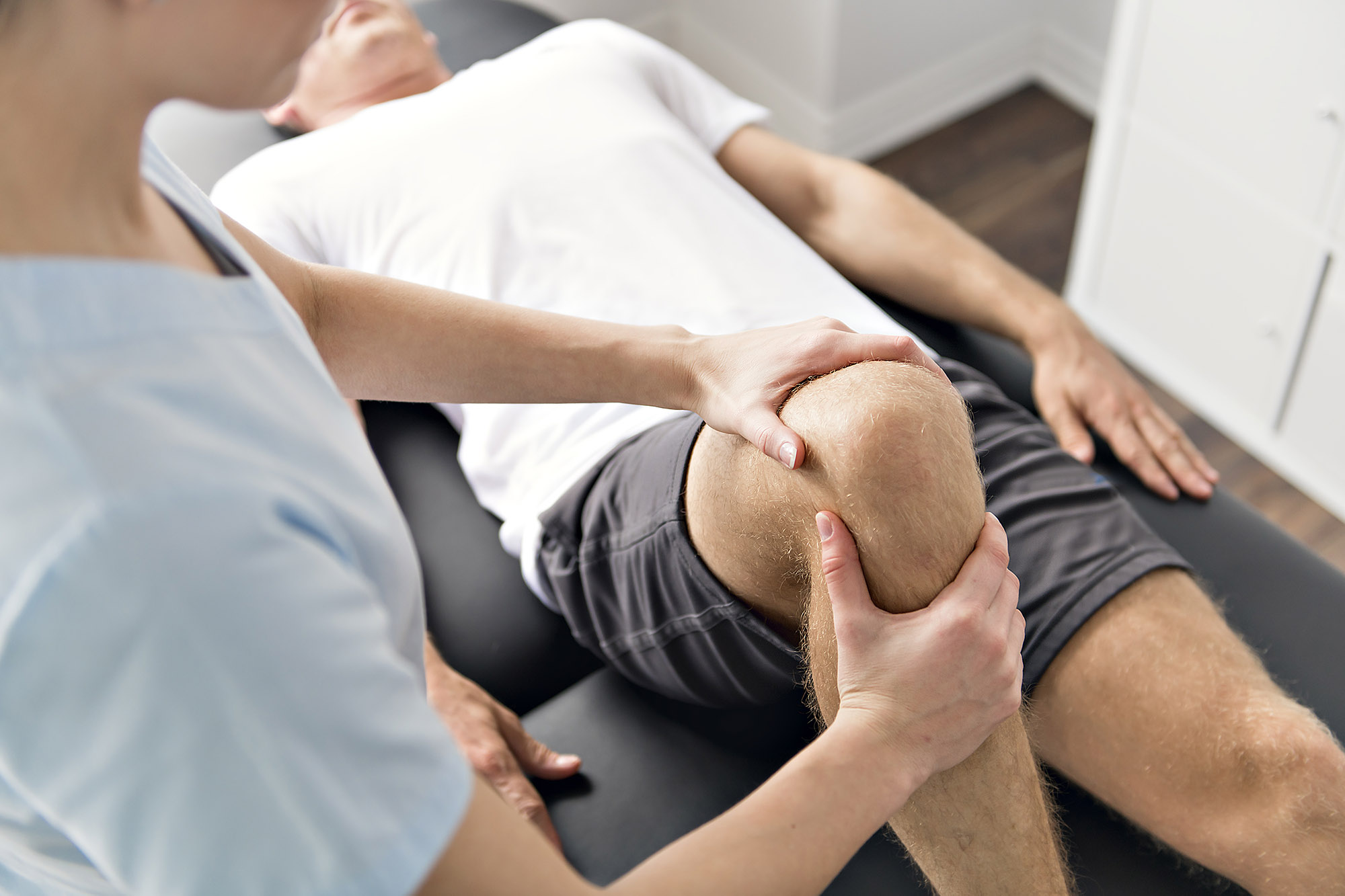
Physiotherapy is not just "reinforcing." For neck and back pain with fear-avoidance, pacing and graded task might boost feature faster than raw strength gains. Postoperative shoulder pain requires early, mild variety of movement and edema control long previously hefty work. For knee osteo arthritis, even little weight decreases and constant quad engagement can transform end results. Good training courses reveal videos of exercises done appropriately and inaccurately, and they discuss just how to adjust methods for limited flexibility, cultural considerations, or time constraints.
Psychological therapies are practical tools, not last resorts. Brief cognitive behavior approaches assist individuals unstick devastating thoughts and re-engage with valued activities. Approval and Commitment Treatment urges movement toward function even when discomfort stays. These are teachable, specifically for nurses that can provide micro-interventions at the bedside or throughout follow-up phone calls. A detailed pain administration training program consists of scripts, duty plays, and fidelity checks to make these skills real.
Sleep and mood drive pain perception. Show sleep health like it matters, because it does. Support wake times, restrict displays late in the evening, different bed for rest from bed for rumination. For patients with PTSD, problems and hyperarousal may mess up every other intervention up until dealt with. Programs that disregard these links develop weak plans.
Care in the fast lane: emergency situation discomfort management
Emergency departments and prehospital teams deal with time pressure and analysis unpredictability. A concentrated module on emergency situation discomfort administration must cover triage, quick analgesia, and safety and security. In lots of areas, competencies aligned with device standards such as puaeme008 supply pain monitoring laid out needs for analyzing, interacting, and providing time-critical analgesia under medical governance. Whether or not your territory utilizes that precise code, the concept holds: structured methods save mins, and mins matter.
For severe fracture discomfort, intranasal fentanyl or ketamine can bridge gaps when IV gain access to is delayed. For renal colic, NSAIDs are powerful and minimize the demand for opioids. For sickle cell vaso-occlusive situations, early, sufficient application led by prior response protects against escalation. Splinting, ice or heat, injury care, and confidence are not afterthoughts. Emergency groups likewise need to plan ahead: that requires short follow-up manuscripts, who requires clear return safety measures, and who needs the initial physio visit arranged before they leave.

Good training courses utilize circumstances. A young adult with lower arm fracture in a country facility, a senior guy with hip discomfort after an autumn on anticoagulants, a postpartum client with severe migraine. For each, choose what can be performed in five minutes, what must be performed in thirty, and what have to not be missed.
Building a strategy clients can really follow
Most strategies fall short at the handoff. In my experience, when an individual entrusts a thick packet of instructions, adherence drops. When they leave with a brief, certain plan and a name to call, adherence rises. A pain monitoring certification program ought to instruct clinicians to press strategies right into remarkable actions and to describe why each action matters.
Pacing is a fine example. "Stroll 10 minutes twice a day for a week, then 12 minutes next week" beats "boost activity as endured." Tapering language matters as well. "We will minimize oxycodone by 10 to 20 percent each to two weeks. If pain flares for more than three days or feature declines, call the clinic. If you feel withdrawal signs like sweating, nausea, or anxiousness, slow down the taper by a week." This is exactly how you translate risk management into human terms.
Language forms outcomes. Prevent telling people their back has "deterioration" without context. Claim rather that many people create age-related modifications that react well to activity and time, and after that hand them the first couple of steps to get started. If a nerve injury will certainly take months to settle, state so and set that truth with milestones they can reach along the way.
The registered nurse's vantage point
Pain monitoring training for nurses has unique power since nurses see the lengthy arc. They discover patterns: the patient who always injures more at 3 a.m., the one whose pain spikes when a particular dressing is changed, the one that lightens up after ten mins of breathing workouts. A focused discomfort management programs for nurses module ought to consist of drug settlement, nonpharmacologic convenience procedures, very early detection of adverse effects, and motivational speaking with to reinforce behavior change.
Nurses are usually the very first to recognize ecstasy from sedatives, irregularity from opioids, or very early respiratory anxiety. Training needs to develop that radar. Simple devices like feces charts and sedation scales stop damage and shorten stays. Empowering nurses to set off order collections for bowel programs or to suggest dose timing adjustments can make a prompt difference.
The physiotherapist's lens
Pain administration programs for physiotherapists must dive into load management, graded exposure, tissue healing timelines, and discomfort education. Explaining main sensitization without seeming dismissive is a skill. People frequently believe "it remains in my head" when they read about sensitization, so the language should confirm their experience while opening new alternatives. Showing just how gentle touch advances into bearable stress over sessions reveals progress far better than any kind of handout.
Physiotherapists likewise take care of assumptions around flare-ups. A well-timed message like "a 24 to 2 days flare after enhancing tons is common, and we have steps to resolve it" maintains clients from abandoning development at the initial problem. Sychronisation with prescribers to align exercise days with analgesia tops can transform consistency.
The duty of certification and exactly how to select a program
Certification needs to suggest something. A pain management qualification program that mixes didactic discovering, simulation, monitored situations, and assessment produces medical professionals who are certain and risk-free. Seek programs that consist of:
- Supervised case discussions where you present a patient, safeguard your choices, and assess outcomes.
Rigorous assessment is not an obstacle; it is your safety net. Multiple-choice examinations belong, but observed organized scientific exams and reflective portfolios show whether you can exercise what you found out. For companies, funding a team through the same pain management certification is typically smarter than one-off enrollments. Shared language and methods intensify benefits.
If you are selecting among discomfort administration training courses, ask about faculty. Do they exercise in medical care, emergency situation, perioperative medication, oncology, palliative treatment, or rehab? Breadth issues. Ask just how they teach tapering and run the risk of reduction. Ask just how they involve with injustices hurting care, consisting of sex and racial disparities in analgesia. Vague answers are a caution sign.
Special scenarios that separate great from great
Pregnancy and postpartum durations make complex pain plans. NSAID use near term is restricted, several neuropathic agents are not first line, and breastfeeding calls for careful selection. A program that faces these selections is believing like your patients live.
Older grownups should have tailored methods. Reduced renal clearance, polypharmacy, and drop danger modification everything. Tramadol is not a safe middle ground for numerous older individuals because of serotonergic interactions and seizure risk. Show more secure defaults, like topical NSAIDs for local osteo arthritis and cautious duloxetine tests with blood pressure monitoring.
Low-resource setups need flexible playbooks. When imaging is scarce and wait times long, you lean harder on background, test, and affordable interventions. When drug alternatives are restricted, you require to know which mixes offer one of the most relief with the least damage. Discomfort management training should recognize these facts, not act every clinic has a full formulary and same-week physiotherapy.
Substance usage condition intersects with discomfort on a daily basis. Stigma is the enemy of care. Courses ought to educate clinicians to treat pain and addiction at the same time, to utilize buprenorphine in intense and persistent discomfort when proper, and to know when to get in touch with addiction specialists. Disregarding discomfort since an individual has a history of misuse is inappropriate. So is ignoring risk due to the fact that somebody "looks trustworthy."
Documentation that works for individuals and teams
Strong paperwork makes care safer and a lot more consistent. A layout that captures mechanism, impact, useful goals, trialed treatments with dosages and days, unfavorable results, and follow-up periods enhances handoffs. It likewise shields patients from repeating failed experiments. Share relevant parts of the strategy in plain language with the client and caretakers. When everybody understands the target, the strategy holds.
In teaching, I encourage a one-page "discomfort plan" that clients lug. It provides current medicines with timetables, non-drug methods that help, what to attempt throughout a flare, when to call, and warnings that call for urgent treatment. This basic paper lowers emergency visits and empowers clients to self-manage within safe limits.
How programs utilize simulation and instances to change practice
Reading regarding pain is not the like managing it at 2 a.m. Simulation shuts that gap. Courses that build circumstances around common pain pitfalls create sturdy knowing. As an example, a client with severe COPD on opioids comes to be drowsy after an additional dose for breakthrough discomfort. Do you keep even more opioids, reverse with naloxone, readjust the program, monitor in different ways, or entail breathing treatment? This is where learners incorporate pharmacology, tracking, and communication.
Case seminars assist seal nuance. One memorable situation entailed a middle-aged cook with chronic plantar fasciitis who could not "remainder." The service was not more shots; it was shoes adjustments, a rated calf-loading procedure he could do in brief collections throughout breaks, a temporary change to prep work to decrease time on the line, and a short training course of nighttime NSAIDs with gastroprotection. At six weeks he walked pain-free to the bus once more. This is patient-centered care grounded in the actual demands of life.
When brief training courses make sense
Short training courses hurting management beam for concentrated demands. An emergency situation division could run a two-day workshop on quick analgesia pathways, intranasal dosing, and crack immobilization. A health care network could choose a four-week collection on tapering, risk screening, and deprescribing. A physiotherapy solution might include a weekend break program on incorporating pain education and learning into movement sessions.
These are not alternatives to a comprehensive discomfort administration certificate program, yet they can construct energy and solution traffic jams. If you are a supervisor, pair short programs with procedures and metrics. Track time to initial analgesia, naloxone co-prescribe prices, useful goal documents, or physical rehabilitation follow-up organizing. Improvements here reflect actual person benefit.
Digital tools and data without the hype
Apps and wearables can help track actions, rest, or home workouts. Portal messages can strengthen pacing strategies. Prescription monitoring programs and decision assistance tools decrease dangerous combinations. A strong program demonstrates how to make use of these devices without frustrating clients. The principle is simple: pick one or two electronic assistances that straighten with the plan and the person's comfort with modern technology, and use them well.
Data ought to guide, not dictate. If action counts plateau, review why. If refill patterns question, ask prior to presuming. Clinicians trained to resolve information with narrative develop trust, which consequently enhances outcomes.
What proficiency looks like after certification
Graduates of credible pain management training programs behave in different ways. short courses in pain management They stop to specify function before composing orders. They pick first-line treatments with a clear departure technique. They avoid predictable injuries like bowel irregularity and sedation. They invite interdisciplinary help rather than safeguarding turf. They document in a way that other clinicians can use. Essential, their patients start to claim things like "I can do more now," also when pain is not gone.
Certification is not a prize; it is a commitment. The scientific research actions. Guidelines develop. New formulas show up. What sustains is a method of believing that places the person, not the discomfort score, at the center.
Getting began and making it stick
If you are considering a pain management accreditation course, map your goals. A nurse in oncology might focus on breakthrough cancer cells pain and safe opioid titration. A physio therapist in sports medicine may concentrate on tons progression and return-to-function planning. A rural general practitioner may require a broad toolkit with strong emergency discomfort management skills. Align the program's staminas with your day-to-day challenges.
Advocate for institutional support. Protected time, access to mentorship, and the capacity to carry out new procedures are the distinction in between a certification on the wall surface and better treatment at the bedside. If you lead a service, consider sending mixed cohorts of registered nurses, medical professionals, and physiotherapists through the exact same program. Shared language makes interdisciplinary job smoother, and shared victories keep the knowing alive.
Finally, track your own outcomes. Select simple pain management certification program procedures: practical goal attainment, time to first analgesia in your unit, naloxone co-prescribe rates, or the proportion of strategies with nonpharmacologic aspects. Testimonial monthly. Celebrate progression. Change where you stall. That feedback loophole is the silent engine of patient-centered care.
Pain will always resist one-size-fits-all responses. That is why the job is fascinating, and why people keep in mind the medical professionals that take it seriously. A thoughtful, practice-grounded pain monitoring certification does not offer you a script. It provides you a compass. With it, you can browse the everyday trade-offs, see the individual before you, and supply care that recovers movement, dignity, and hope.